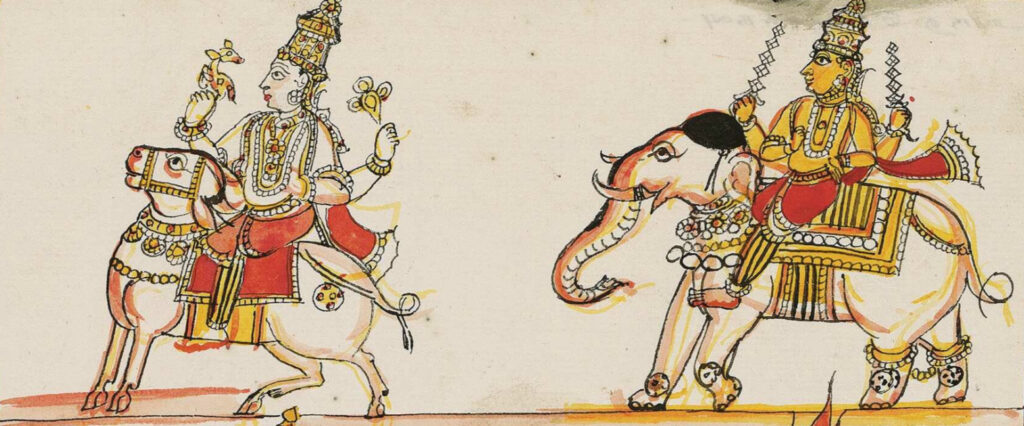
In Vedic astrology, the concept of Digbala (दिग्बल), or directional strength, plays an essential role in assessing the potency of planetary influences. Digbala determines the strength…
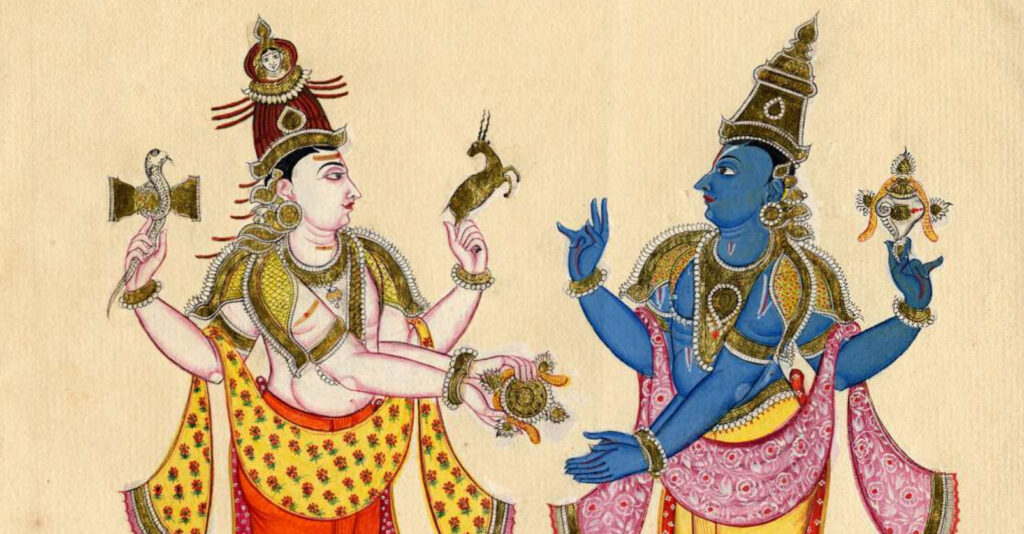
In Vedic astrology, planets are not merely celestial objects but are believed to relate to divine forms, or Devatās, which affect our spiritual, emotional, and physical…
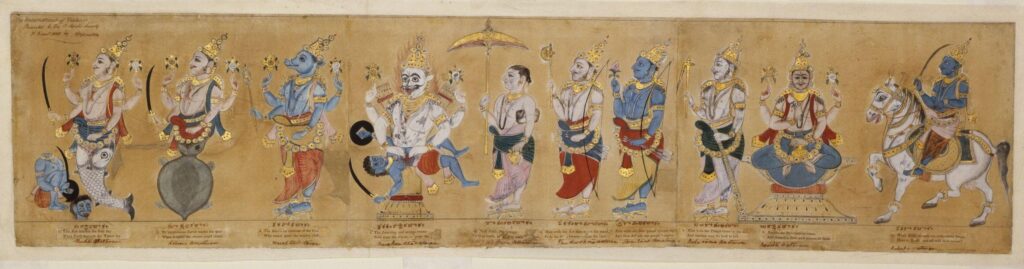
Vedic astrology offers a rich tapestry of meanings and associations that go far beyond basic celestial calculations. One fascinating concept is the connection between planets, their…
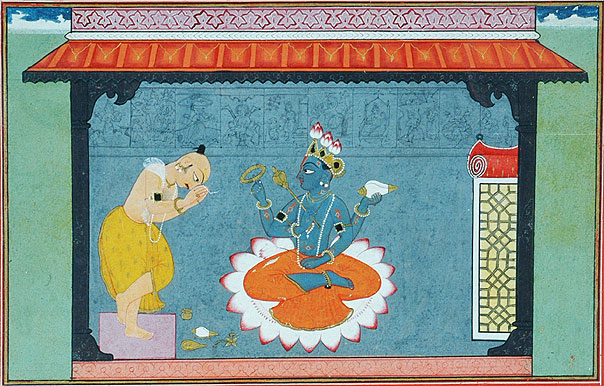
India’s ancient spiritual texts deeply embed the concept of "form." Śrī Achyutananda Prabhu’s teachings on Nāma Tattva link the first definition of form to the name…

"The word पंचांग comes from two Sanskrit words: पंच—meaning five, and अंग—meaning body parts or limbs. So, पञ्चाङ्ग is essentially the five limbs of time. And…
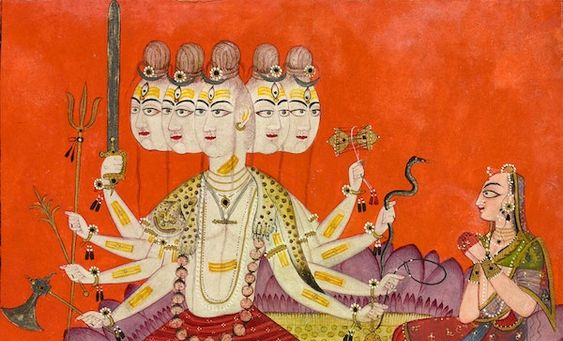
The five heads of shiva symbolize different aspects of cosmic function—creation, emotion, transformation, motion, and knowledge. They represent five different directions, with each head corresponding to…
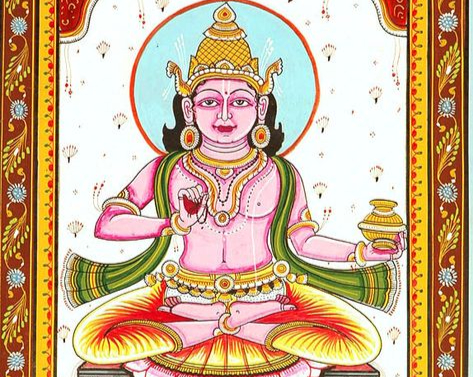
In the ancient days, within the mystical realms of time and space, the great deity Lord Shiva sat in deep meditation—समाधि—atop the Himalayas. After the loss…

On January 15, 2010, Budapest, Hungary, experienced a solar eclipse that exhibited significant similarities to the eclipse in Warsaw, Poland, on the same day. While both…

The solar eclipse that occurred on January 15, 2010, had a significant impact on Beijing, China, influencing multiple aspects of society. Astrologically, the eclipse started during…

On January 15, 2010, a solar eclipse occurred that significantly affected New Delhi, India. The influence of the eclipse on different aspects of society and governance…